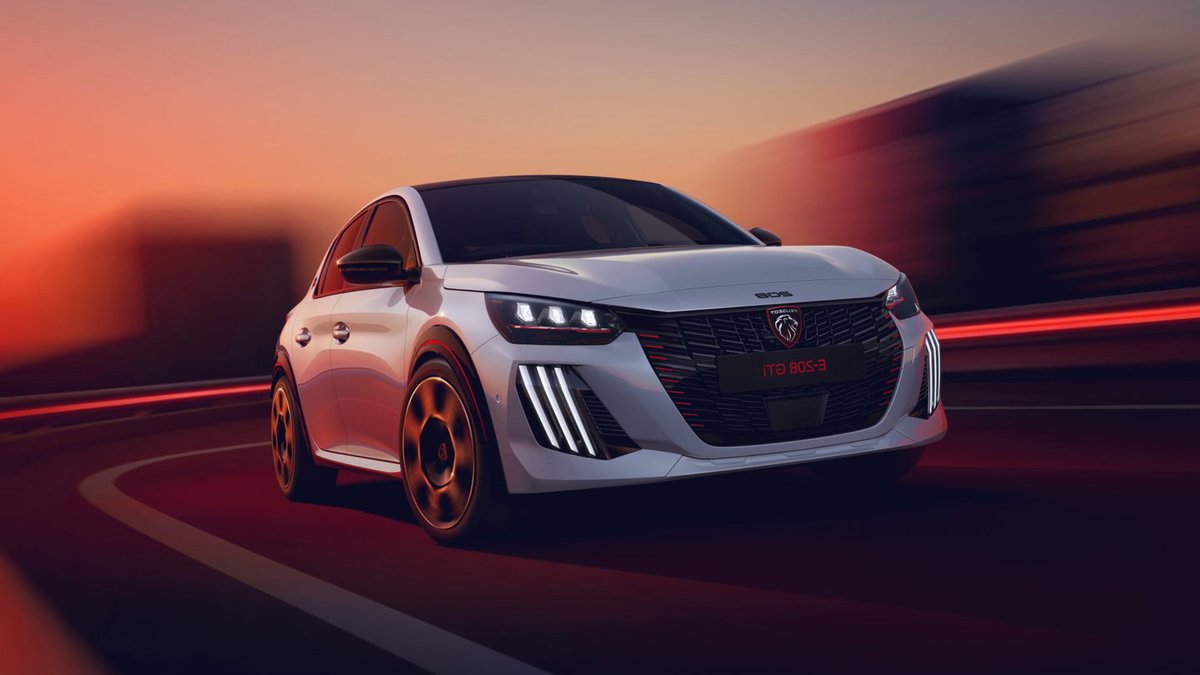
The hot hatch was once marketed as a fun, affordable alternative to sports cars, built by adding power and handling upgrades to a standard family hatchback. It attracted drivers who wanted excitement without the expense of a true supercar, and it quickly became a staple of many automotive line-ups across Europe. This formula, which transformed ordinary hatchbacks into performance cars with punchier engines, tighter suspension, and larger wheels, was a hit for decades, offering affordability and fun in one package.
Soaring Prices for New Models
The latest Volkswagen Golf GTI lists at £41,860, a price that includes a 2.0-litre turbo engine delivering 261 bhp and a sub-six-second 0-62 mph sprint. The combination of a larger displacement and higher output pushes the model into a premium price segment that was unheard of for its class a decade ago. Volkswagen still markets it as the “people’s supercar,” but the price tag now reflects a significant shift away from its affordable roots.
Meanwhile, the Toyota GR Yaris starts at £46,195, positioning it well above the traditional hot-hatch price band. Its reputation for rally-derived performance and limited production numbers further justifies the higher cost in the eyes of enthusiasts, but it shows the growing inaccessibility of these vehicles.
Electric entrants such as the Peugeot E-208 GTi begin at £34,995, and the MINI John Cooper Works Electric is priced in a similar range.
The Disappearance of Budget Options
When the Ford Fiesta ST launched in Britain in 2018, its base price was £18,995, offering a 197 bhp turbocharged engine and a six-speed manual. At that time, the model was praised for delivering genuine excitement at a price that many could afford, embodying the original hot hatch ethos.
In 2013, the Peugeot 208 GTi was available for £18,895, while the Renaultsport Clio 200 Turbo cost £18,995. Both cars provided strong performance figures and were marketed as accessible alternatives to more expensive hot hatches, maintaining the segment’s focus on affordability.
The Hyundai i20 N, released in 2021, sold for £24,995 and featured 201 bhp with a six-speed manual gearbox. Its launch represented a brief resurgence of a relatively low-cost performance hatch, but the price still sat above the historic sub-£20,000 threshold, signaling a trend toward higher costs.
Related Post: Ford and Geely to produce SUVs in Europe
All three models have since been discontinued, and the Fiesta itself is no longer produced. Additional exits include the combustion-engine Peugeot GTi, the Honda Civic Type R in the UK and Europe, and the Renaultsport badge, each of which once contributed to a diverse hot-hatch offering. The market now lacks the variety of affordable options that once defined the segment, leaving only a handful of higher-priced choices for new buyers.
Modern safety and emissions regulations require sophisticated equipment that adds to the baseline cost of any vehicle. Advanced driver-assistance systems, infotainment suites, and stricter crash standards further increase engineering expenses, making it harder to produce a budget-friendly performance car.
Because hot-hatch variants sell in smaller volumes than their standard counterparts, manufacturers face tighter margins on these performance models. Investments in electric-vehicle technology and the need to meet emissions targets divert resources away from low-volume petrol performance projects, exacerbating the cost challenges.
The secondary market now offers previous-generation hot hatches at £15,000-£20,000, including older Ford Fiesta ST, Hyundai i20 N, and Peugeot 208 GTi models. These used examples provide a cost-effective way for enthusiasts to own a spirited car without paying new-car premiums, making the used market a haven for traditional hot hatch buyers.
Even higher-performance used options such as the Civic Type R and the GR Yaris appear at prices comparable to new, entry-level hot hatches. Buyers seeking practical, spirited driving are increasingly turning to these pre-owned vehicles instead of paying four-digit sums for brand-new models, as the used market becomes the new home for affordable performance.
For the price of a new £40,000-plus Golf GTI, the used market offers everything from previous-generation Civic Type Rs and GR Yarises to proper sports cars. This shift highlights how the traditional hot-hatch buyer has been pushed toward pre-owned vehicles, where the balance of performance and affordability still exists.


