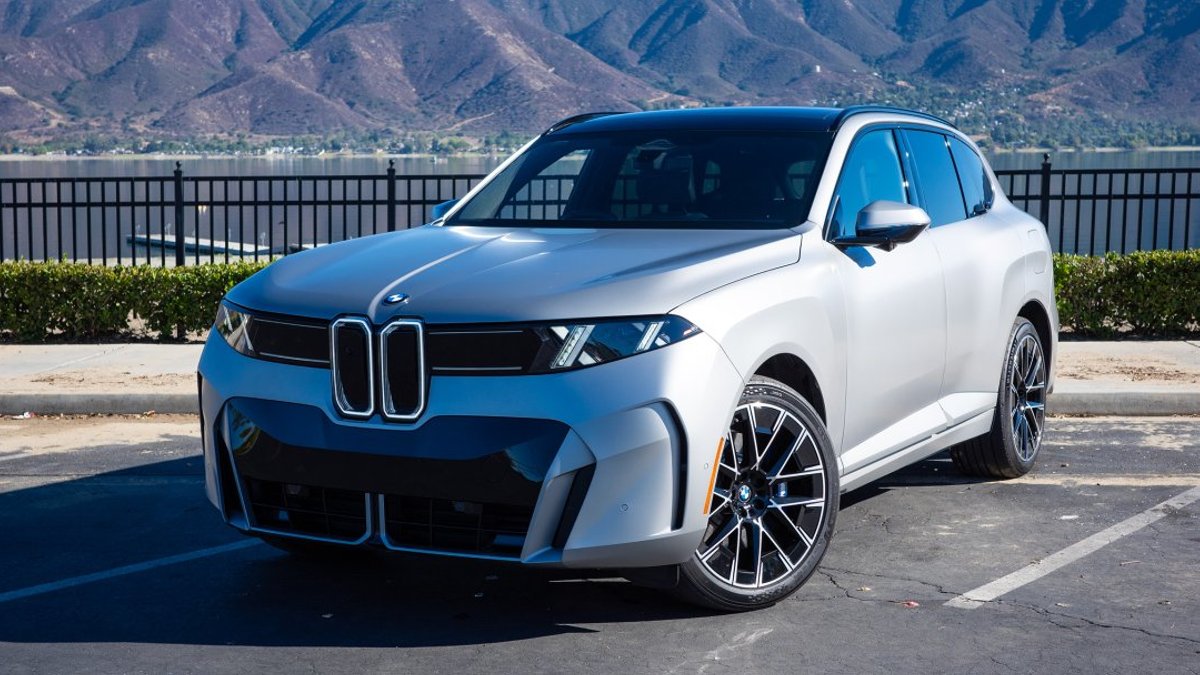
The 2027 BMW iX5 offers a range that many drivers will find sufficient for long trips without the anxiety of stopping to recharge. With an estimated 435 miles of range on a full charge, the vehicle is built to travel between major cities on a single stop. The automaker claims it managed 500 miles in one real-world test, though that figure may vary based on driving conditions and temperature. This capability is largely due to the Gen6 battery, which uses cells 20% denser than the previous generation, and a drag coefficient of 0.28.
Speed and efficiency on the road
Charging the iX5 is designed to fit into short breaks. The new 800-volt electrical platform allows for a peak charging throughput of up to 460 kW. In ideal conditions, the battery can jump from 10% to 80% state of charge in just 22 minutes. During that window, a 10-minute charge can provide up to 170 miles of driving range. This speed helps the vehicle function like a traditional gas car for daily commuting, where owners can top up during a coffee break rather than planning their day around a charging schedule.
The vehicle is powered by a dual-motor, all-wheel-drive setup that generates 579 horsepower and 593 lb-ft of torque. The battery capacity sits at 144 kWh, a substantial size that contributes to the vehicle’s curb weight of just under 6,400 pounds. The base price is set at $81,250 delivered, which is $7,700 more than the equivalent gas-powered model.
Road manners and interior design
From a driving perspective, the electric iX5 delivers performance that feels more responsive than its gasoline counterpart. The instant torque from the electric motors provides strong acceleration at low speeds. The vehicle‘s weight distribution and damping adjustments have been tuned to handle this mass, resulting in a ride that feels softer and flatter in the corners. This setup gives the SUV a planted feel that is often absent in heavier vehicles of this size.
BMW has maintained a physical front trunk, a feature that Chief Engineer Michael Ahlers insisted be included from the start of development. While the space is not cavernous, it adds practical utility for small items or emergency kits. The interior design mirrors that of the gas model, though the electric version lacks an engine start button. The center screen interface is straightforward to use, and critical functions still have physical inputs, including haptics on the steering wheel to provide feedback.
For drivers who frequently travel on highways, the Level 2 highway driving assistance system offers a convenient option for hands-off operation. The system can be activated with a single button press on the left side of the steering wheel, avoiding the complex series of gestures found in some other systems. The car is also smart enough to display only the icons for features that are currently available.
At over $80,000, the iX5 is positioned as a premium vehicle, but its engineering suggests that a less expensive version with a smaller battery and faster charging could be a viable market option. The decision to build very similar vehicles with different powertrains creates an interesting dynamic for consumers. While the traditional gas engine remains a popular choice for many, the electric configuration offers a different set of strengths that may suit certain drivers better than the internal combustion engine ever could.
Exterior design and cabin details
The iX5 adopts the Neue Klasse design language to distinguish itself from previous models. The vehicle maintains the blocky, slab-sided shape typical of modern SUVs, yet it appears to be a fresh face on an older body. Stylistically, the departure from previous BMW designs is moderate. The vehicle does not come off as a departure as it might seem—it kinda just feels like a new face on an old brick, stylistically—but it is a step away from the ridiculous maws of the brand’s recent history.
Inside, the cabin mirrors the layout of the gas-powered version. The dashboard features a central touchscreen that manages most functions. Physical controls remain present for essential operations like seat and door adjustments. Steering wheel controls also include haptic feedback to assist the driver.
A front trunk, or frunk, provides additional storage. Although the space is not large, it serves a practical purpose for smaller items or emergency kits.
Performance and practicality
This power is delivered instantly, enhancing acceleration at lower speeds. Despite the added weight, the suspension tuning provides a smoother ride. It also handles corners with a flatter, more planted feel.


