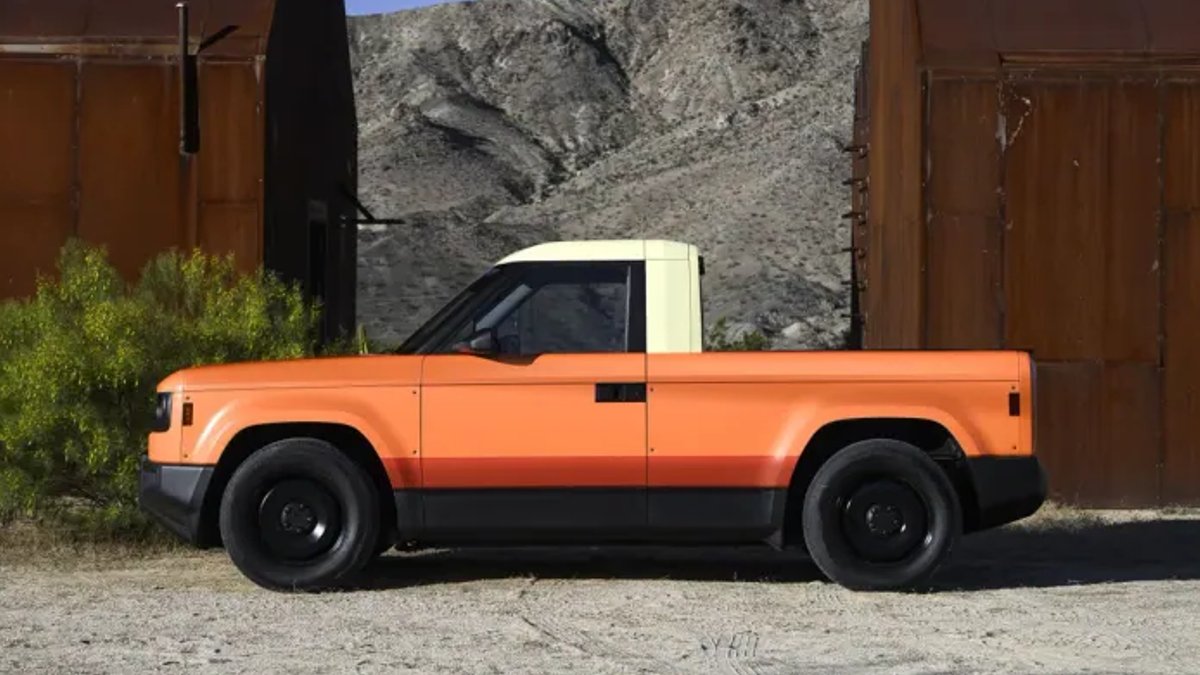
Rising vehicle prices are squeezing many buyers out of the market, and a new entrant, Slate Auto, is betting on a stripped‑down electric pickup priced around $25,000 to fill the gap.
Affordability gap widens as new‑car costs climb
The average price of a new car now hovers near $50,000, according to market data. That level puts most middle‑income shoppers out of reach for a brand‑new vehicle. Even the used‑car market has felt the pressure, with three‑year‑old models averaging about $30,000. The shift leaves many consumers with older, high‑mileage cars that cost more to maintain as repair rates climb.
“It’s very real,” said Sam Abuelsamid, vice president of market research at Telemetry. “The number of people who in the past were able to buy a new car has shrunk.” He noted that roughly 60 % of consumers can still afford a new vehicle, while the remaining 40 % who could purchase one a decade ago now cannot.
Related: Asbury Automotive’s DMS switch nearing completion
For those forced onto the secondary market, options are limited. High‑mileage “econoboxes” may be cheap upfront, but they often require costly repairs that low‑income owners cannot easily cover.
The result is a growing segment with restricted mobility.
Slate Auto’s low‑cost electric pickup aims at the underserved
Slate Auto, a Troy, Michigan start‑up backed by Jeff Bezos, plans to launch a two‑door electric pickup next year. The vehicle will be “radically simple.” Its target price is about $25,000, a figure that undercuts many entry‑level internal‑combustion models.
Abuelsamid expressed a concern about market size. “The problem is, there is a limited market for a two‑door pickup,” he noted. In the 1990s, such trucks existed, but four‑door pickups have largely replaced them, offering more utility for most buyers.
Related: BMW and Toyota Test New Biofuels
Nevertheless, the concept taps a real need. Many households, especially in rural regions like metro Detroit, rely on personal vehicles for work and errands. A simple, affordable electric truck could provide essential transportation without the premium features that drive up costs.
From a practical standpoint, a low‑cost electric pickup could give people who can’t afford a new sedan a reliable way to get to jobs, school, or medical appointments. If the vehicle lives up to its price promise, it may keep a segment of the population mobile that otherwise faces growing isolation.
Future outlook remains uncertain
Slate’s approach raises the issue of whether a stripped‑down new vehicle can truly compete with a used car offering more amenities for the same price. As the auto industry continues to shift toward higher‑margin, feature‑rich models, Slate’s gamble could either open a new niche or confirm that demand for ultra‑basic new cars is too limited. The coming year will reveal whether the market adopts that figure or continues to favor the used‑car route for affordability.


