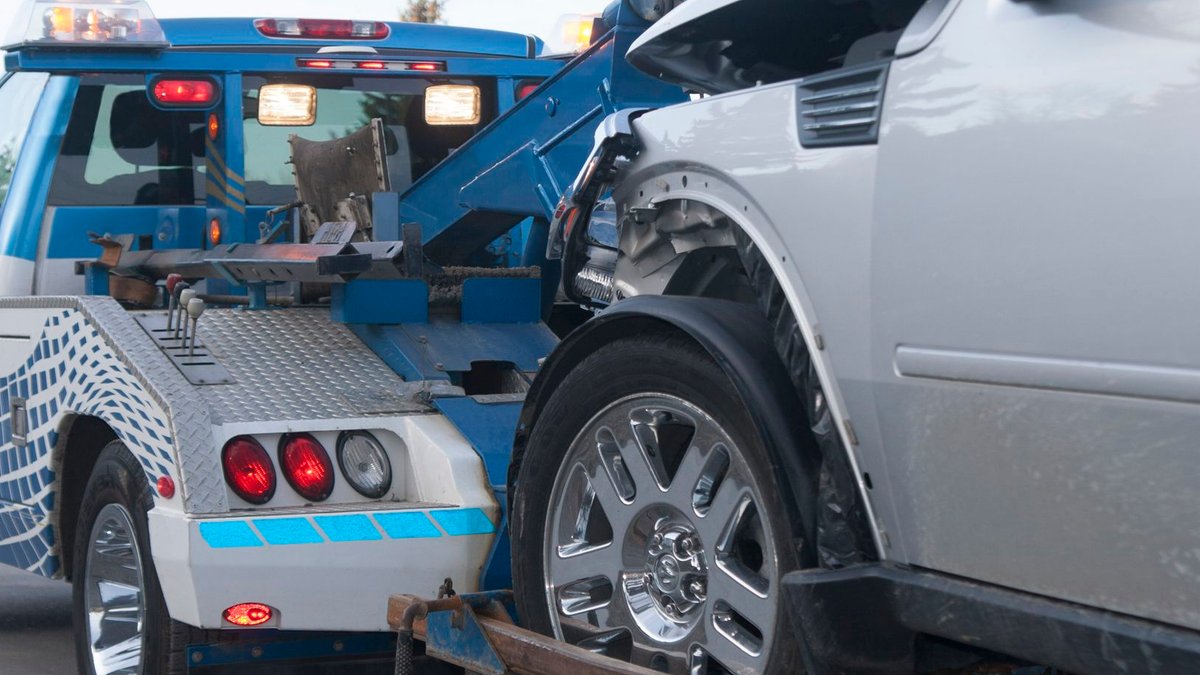
When Mario Iamundo received a notice from an Etobicoke towing firm demanding payment for a vehicle he sold in 2012, the surprise was immediate and costly.
Why a 15‑year‑old sale resurfaced as a towing invoice
The bill came from Classic Towing and Storage, which said a 2002 Honda CR‑V had been towed and stored after being found illegally parked. The company’s records listed Iamundo as the registered holder, so the charge was sent to him.
According to the report, the car changed hands several times after the 2012 sale, but none of the subsequent owners appear to have completed the transfer at a Service Ontario centre. Without an official change, the vehicle remained in Iamundo’s name in the provincial database.
Ontario law requires a buyer to register a used vehicle within six days of purchase. If that deadline passes, the seller can visit a Service Ontario office to mark the vehicle as “sold.” Once the paperwork is filed, the former holder is no longer liable for tickets, fines or storage fees.
Related: Chevrolet revamps High Country trim for 2027
“Buyers must register themselves as the new owner of a used vehicle within six days of the sale,” a government spokesperson told CTV News. “After that period, sellers can visit a Service Ontario centre to update the vehicle’s status to ‘sold.’ Once ownership has properly been transferred, the former owner is no longer responsible for the vehicle.”
In Iamundo’s case, it is unclear whether he filed a “sold” notice. Even if he did, the system still ties responsibility to the name on record until the buyer also files the transfer. That dual‑step process creates a gap that can trap an unsuspecting former holder.
What the towing company says and what experts advise
Kevin Araya, general manager of Classic Towing and Storage, said the firm simply pursues payment from the name listed as the registered holder. “My biggest advice is to hand over the ownership and get them to change it into their name, and only then give them the keys,” he told reporters.
The situation highlights a broader issue for private car sales in Ontario. When paperwork is incomplete, the original seller may still appear on the Ministry of Transportation’s records, exposing them to unexpected debts.
Related: BMW recalls 800 vehicles in Canada over power loss risk
One practical step for sellers is to keep a copy of the completed transfer form and any receipt from Service Ontario. That documentation can serve as proof that the vehicle changed hands, even if the buyer never updates the system.
From a broader perspective, this case illustrates how administrative oversights can have real‑world financial consequences. The requirement for two separate filings—by buyer and seller—creates a narrow window where a vehicle can slip through the cracks, leaving the original registrant exposed to liabilities that surface long after the sale.
In the end, Iamundo faces a bill that many would consider unfair given the age of the transaction. He has not publicly indicated whether he will contest the charge, but the incident serves as a cautionary tale for anyone selling a car privately.
For Ontario residents, the takeaway is clear: complete the transfer paperwork promptly and retain proof. Doing so can prevent a decades‑old sale from reappearing as an unexpected towing and storage invoice.


