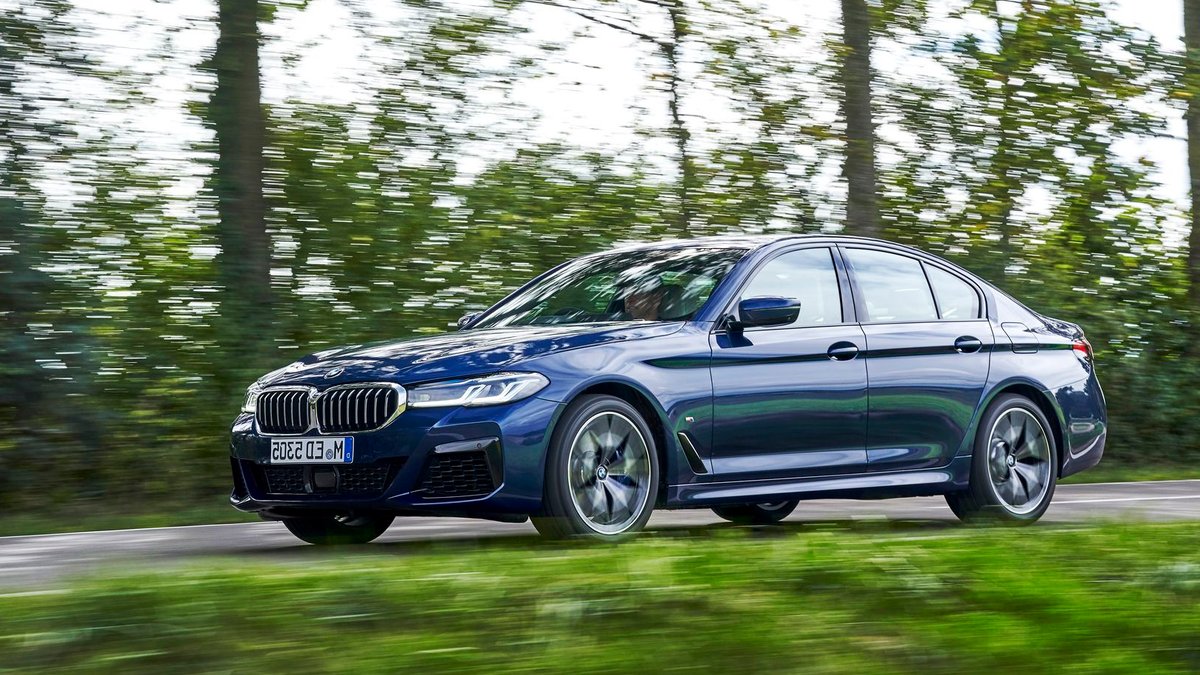
BMW is recalling more than 800 newer sedans in Canada due to a potential drivetrain issue that could cause the vehicles to lose power while driving or roll away when parked. The safety campaign covers 826 examples of the gasoline-powered BMW 5 Series from model years 2021 through 2023, the BMW 8 Series coupe and Gran Coupe from 2022 to 2024, and the plug-in-hybrid BMW 7 Series from 2024 through 2026.
Transport Canada reports that on some affected models, the joint where the driveshaft bolts to the rear differential could wear out faster than expected. The administration states that if this happens, there could be a loss of power to the wheels, or the vehicle could move when it’s parked and the parking brake isn’t used. BMW owners may feel the drivetrain shuddering under load, or hear clunking noises from the rear, or notice off-and-on loss of drive power before the joint fails completely.
Owners are being urged to use their parking brake whenever the vehicle is left unattended. This simple step lowers the risk of a roll-away incident while dealerships complete the necessary repairs.
The fix requires an inspection of the components at the dealership, followed by a reinforcement of the joint using an adhesive, or, if necessary, replacement of the affected parts. BMW says it has received no reports of incidents or injury tied to the problem in the United States. Transport Canada’s reference number for the recall is 2026-391, and the manufacturer’s internal code is 26 80 26RC.
Related: Sonic Automotive targets sweet spot of used car market
While no crashes or injuries have been reported, the recall affects a specific window of model years across several high-end sedans, narrowing the scope of vehicles that require attention.
Dealership inspection required
Service centers will inspect the driveshaft joint to determine if it has begun to wear. If the inspection shows wear, technicians will apply an adhesive to reinforce the connection. In some cases, the original part might need to be swapped out entirely. This process addresses the root cause of the potential failure without requiring a full drivetrain replacement.
Owners of the affected vehicles should expect to receive a notification from the manufacturer soon. The notification will provide details on how to schedule an appointment.


