Canadian shoppers looking for the most affordable five‑passenger rides this model year now have a clear list of options, from compact sedans to a minivan and even a small pickup, each priced under $45,000.
The backdrop of a higher cost‑of‑living environment makes extracting maximum value from a family vehicle especially key, echoing the sentiment that Canadians won’t splurge on non‑essentials.
Compact cars that stretch the dollar
The Hyundai Elantra tops the sedan segment with a base price of $23,499 before fees. It delivers 147 hp and 132 lb‑ft of torque, while sipping 6.8 L/100 km in combined driving. Cargo space measures 402 litres (12.2 cu ft), and standard equipment includes heated front seats, wireless smartphone mirroring, an 8‑inch touchscreen and lane‑keeping assistance.
Beyond those features, the entry‑level Essential trim also provides a tilt/telescope steering wheel and active driving helpers such as lane‑keeping, reinforcing the Elantra’s value‑focused proposition.
Just a step up in size, the Kia K4 Hatchback starts at $24,795. It matches the Elantra’s 147 hp output but adds a larger 12.3‑inch touchscreen, heated side mirrors and a suite of driver‑safety aids. Fuel consumption is listed at 7.0 L/100 km, and the hatch offers 628 litres (22.2 cu ft) of cargo capacity, giving families a bit more room for groceries and gear.
Small SUVs that keep costs low
The long‑standing Mitsubishi RVR remains on the roster at $26,998. Its 148 hp engine produces 145 lb‑ft, and the vehicle averages 9.2 L/100 km. With 614 litres (21.7 cu ft) of storage, it balances practicality and a solid factory warranty, even though a redesign may be on the horizon.
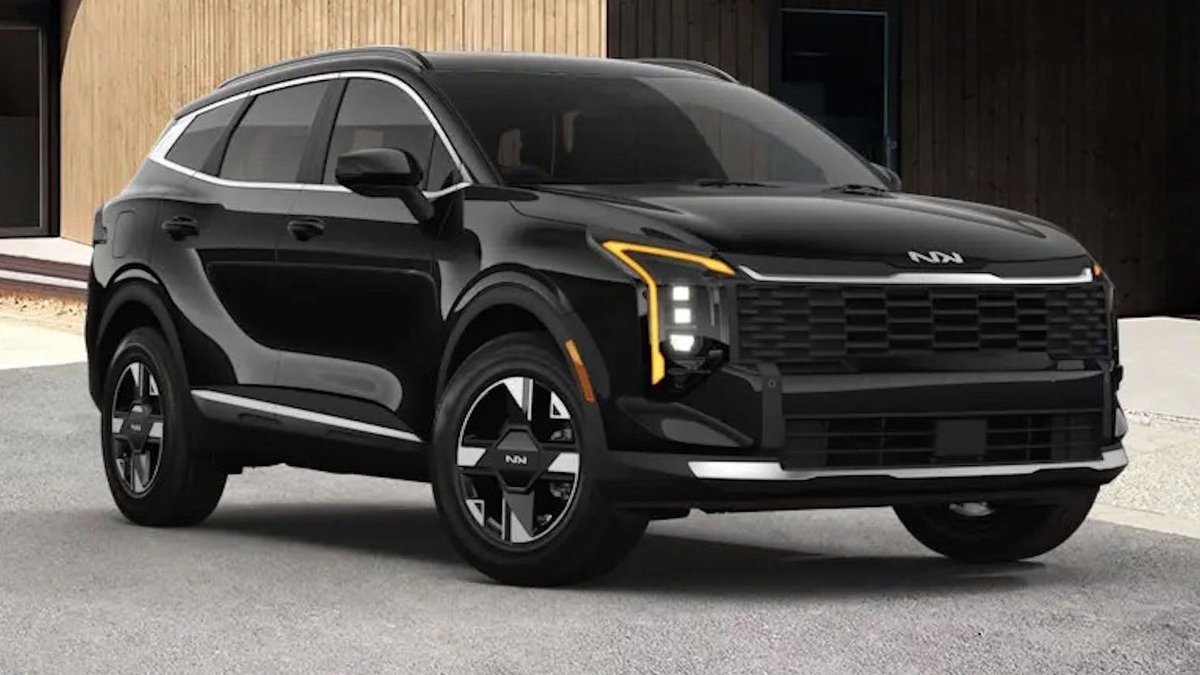
Close behind, the Kia Sportage is priced at $34,395. A 2.5 L four‑cylinder generates 187 hp and 178 lb‑ft, and the SUV records 8.9 L/100 km. Cargo volume reaches 1,036 litres (36.6 cu ft), and standard features include a 12.3‑inch infotainment screen, leather‑wrapped steering wheel and lane‑keeping technology. Hybrid variants are also available for buyers seeking better efficiency.
Another contender, the Subaru Forester, lists at $34,195. It provides 180 hp and 178 lb‑ft, with a combined fuel use of 8.3 L/100 km. The wagon‑like SUV offers 838 litres (29.2 cu ft) of cargo space, and its all‑wheel-drive system is standard, a common expectation among Canadian drivers.
One minivan and a pickup for larger loads
The Kia Carnival appears as the sole minivan, starting at $42,445. Its gasoline powertrain makes 288 hp and 260 lb‑ft, while fuel consumption sits at 11.1 L/100 km. Cargo capacity jumps to 2,461 litres (86.9 cu ft).
Read Also: 2027 BMW 3 Series Delivers Classic Bimmer Handling
A hybrid version of the Carnival is also offered; while its purchase price is higher, the roughly 4 L/100 km improvement in fuel economy can translate into meaningful long‑term savings for families with heavy weekly mileage.
Rounding out the list, the Ford Maverick offers a hybrid‑powered XL version for $35,600. It delivers 191 hp and an estimated 230 lb‑ft of torque, with an impressive 6.2 L/100 km rating. Cargo space totals 943 litres (33.3 cu ft), and a $500 upgrade unlocks a 2.0 L EcoBoost engine with all‑wheel drive.
The standard hybrid XL comes with front‑wheel drive, and the modest $500 addition not only adds the more powerful EcoBoost engine but also provides all‑wheel‑drive capability for those needing extra traction.
These seven models illustrate how Canadian families can prioritize low purchase price without sacrificing essential features such as safety tech, reasonable cargo capacity and acceptable fuel efficiency. While the list spans several body styles, each vehicle meets the basic requirement of seating five passengers comfortably.
Safety equipment across the lineup includes lane‑keeping assistance, heated seats and a suite of driver‑aid systems, ensuring that affordability does not come at the expense of protection.
From a broader perspective, the emphasis on fuel‑efficient powertrains reflects rising concern over operating costs, especially as gasoline prices fluctuate. Families that travel long distances for school or sports will see the cumulative savings of a lower‑consumption vehicle add up over the years, even if the upfront price difference seems modest.
Variable fuel prices directly affect the total cost of ownership, making the modest fuel‑economy advantage of hybrid or efficient gasoline engines a strategic consideration for budget‑conscious buyers.
Buyers should remember that listed MSRPs exclude regional fees and that negotiation is still possible in the post‑COVID market. Test drives, warranty coverage and the availability of optional packages will also influence the final decision.


