Heated seats have claimed the top spot as the most-wanted vehicle feature in a new survey by AutoPacific. The automotive research firm released its 2026 Future Vehicle Planner, which ranks consumer priorities for new cars.
The study, now in its fifth year, gathered input from over 19,000 licensed drivers who intend to purchase a new vehicle within the next three years. These respondents evaluated 160 different features, ranging from all-wheel drive to adaptive cruise control.
While technology evolves, basic comfort remains a priority. Following heated seats in the number one position, front and rear parking sensors ranked second. Rear automatic emergency braking took the third spot on the list.
AutoPacific was founded in 1986. It conducts extensive proprietary and syndicated research and consulting for OEMs, distributors, marketers and suppliers worldwide.
Related: EV discounts unsustainable warns trade group
Comfort and Safety Lead the List
Automatic parking technology cracked the top 15 for the first time this year, landing at number 10. AutoPacific noted that more original equipment manufacturers are offering parking-assist options as demand grows. Other safety features, such as lane change assist and unresponsive driver stop assist, are also seeing upward trends in interest.
This year’s survey included 25 vehicle features new to the list. Remote summon and four-wheel steering also showed notable increases in demand outside the standard safety categories. The survey also tracks features like adaptive smart headlights that reduce glare and safe vehicle exit alerts.
Deborah Grieb, AutoPacific’s Director of Marketing and Consumer Insights, explained the methodology in a statement. “Our study is structured to enable deep dives into who specifically wants each feature and where it is most applicable by using extensive demographics, psychographics, vehicle use, and purchase intention data to uncover the whys,” she said.
Trust in Automation Grows Among Younger Buyers
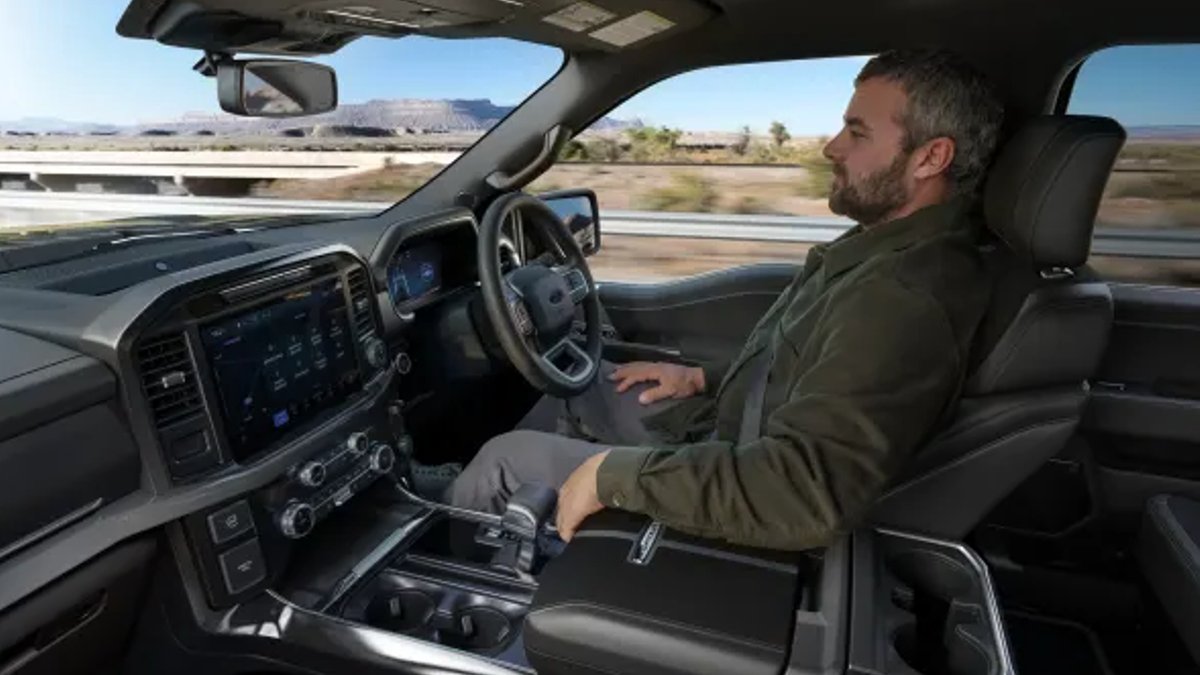
Trust in autonomous driving systems is increasing, particularly among Generation Y consumers. The survey found that 62% of people trusted these advanced driver assist systems in 2026, up from 56% in 2024. This age group, defined as those between 32 and 49, is more likely to trust safety systems that prevent accidents automatically.
Related: Stellantis sells car‑sharing unit to focus core
For those Gen Y responders who don’t fully trust automated driving systems, 68% feel more comfortable with less-robust features. These include systems that enable the vehicle to handle specific tasks, like maintaining lane position or parallel parking.
Exposure to the technology appears to build trust. Consumers who currently have autonomous driving features in their vehicles are more likely to want them on their next purchase. Satisfaction rates among current users are high.
Ed Kim, President and Chief Analyst at AutoPacific, noted that this data helps clients make strategic decisions about standard features and optional packages.


