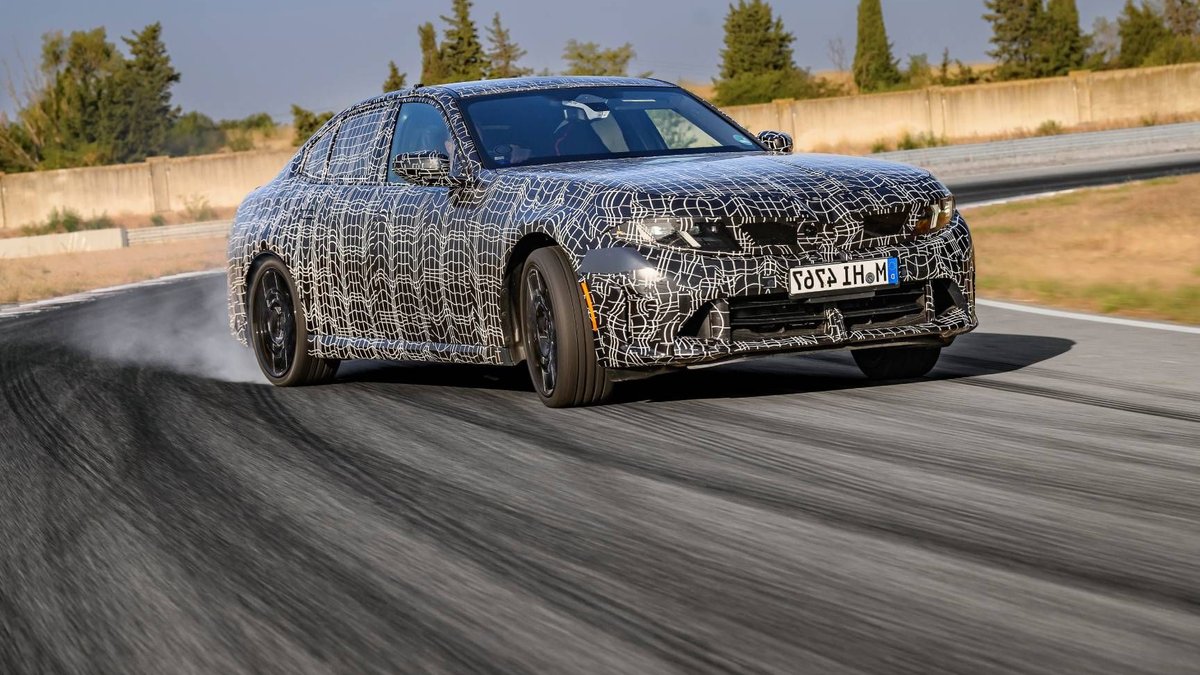
BMW’s 2027 3 Series arrives with a split platform strategy, separating the gasoline‑powered model from its electric sibling, the i3. While the i3 enjoys a brand‑new chassis, the new gas version rests on an updated CLAR architecture known internally as “G50.”
Powertrain and performance
The base engine across the range is a 2.0‑litre four‑cylinder equipped with 48‑volt mild‑hybrid assistance. The standout is the M350 xDrive, which pairs a 3.0‑litre inline‑six with the same hybrid system, delivering 443 horsepower and 428 pound‑feet of torque.
Those numbers sit just 20 horsepower and 39 pound‑feet shy of the heavier all‑electric i3, yet they exceed the outgoing M340 by 57 horsepower and 30 pound‑feet. The power gap to the current M3 is narrow: 30 horsepower less but 22 pound‑feet more torque.
BMW claims the M350 accelerates from 0 to 100 km/h in 4.1 seconds, a tenth of a second quicker than the 2026 M3 and six‑tenths faster than the i3. The claim rests on the combined output of the turbocharged engine and the electric assist.
Low‑rpm response feels markedly improved. Faster‑acting turbos and the hybrid torque boost create a near‑instantaneous surge when the throttle is pressed, especially in Launch Mode. The electric contribution adds a smoothness that pure combustion units lack.
The inline‑six retains its characteristic soundtrack, and the added torque translates into a noticeable pull that can be felt through the seat and steering wheel.
Chassis and handling
Wheelbase growth is modest—only nine millimetres—while the front track widens by 40 mm and the rear by 32 mm, giving the car a broader stance that aids cornering stability.
Read Also: Ford Recalls 3,000 New Vehicles for Engine Failure
Suspension revisions include a more rigidly mounted steering box, a slight increase in camber, and a six‑axis inertial measurement unit that monitors linear and rotational movement. Such technology, common on high‑performance motorcycles, lets engineers fine‑tune body roll.
Front shock absorbers now have reduced compression damping, aiming for a softer ride. To counteract potential excess body roll, engineers adjusted the anti‑roll bars by adding preload rather than changing the spring rate.
This preload tweak preserves the previous model’s roll resistance while delaying the onset of roll, allowing the softer shocks to work without compromising handling.
On uneven surfaces near BMW’s Miramas test track, the M350 displayed composure, remaining stable despite the softened front damping. The balance between comfort and control felt intentional.
On the circuit, the car’s stiffer anti‑roll bars kept it flat through high‑speed sweeps. Fitted with larger 245/35 R20 front and 275/30 R20 rear Bridgestone Potenza Sport tires, the M350 generated grip reminiscent of older BMWs known for sharp cornering.
Drivers reported a return of tactile feedback through the steering wheel, suggesting that the rigid steering box mounting delivers the promised precision.
The vehicle’s all‑wheel‑drive system currently splits torque about 20‑80 front‑to‑rear. BMW plans a free over‑the‑air update called “Drift Moment” in 2027 that will direct the full 428 pound‑feet to the rear wheels, offering a more traditional rear‑biased feel.
Such flexibility lets owners choose between the security of four‑wheel traction and the engagement of a rear‑wheel‑only setup, potentially widening the car’s appeal.
Read Also: Nissan Eyes Lower-Cost Leaf Launch
Design and interior
The prototype was covered in camouflage, obscuring most styling cues. Visible elements include a squashed, widened kidney grille that feels modern, though it stretches the traditional proportions.
Overall dimensions suggest a larger sedan, with broader shoulders and a slightly higher rear roofline, giving the car a more muscular silhouette.
Inside, the test vehicle featured a black‑cloth interior and a covered steering wheel, limiting visual assessment. The infotainment screen appears similar to that in the current iX3, and a small speedometer display is present.
Door latch hardware was exposed, offering a functional but unremarkable handle. No major interior upgrades could be confirmed from the camouflaged test.
For drivers, the combination of a potent six‑cylinder, refined chassis, and adaptable drivetrain means the new 3 Series could feel like a more engaging daily driver, especially for those who value responsive handling without sacrificing comfort.
In practice, the M350’s broader track and tuned suspension should translate to steadier lane changes and confidence on twisty roads, while the upcoming rear‑bias update may appeal to enthusiasts seeking a sportier feel.
Overall, the 2027 iteration blends incremental mechanical upgrades with a clear intent to preserve the brand’s driving ethos, even as it diverges from the electric counterpart on a technical level.


