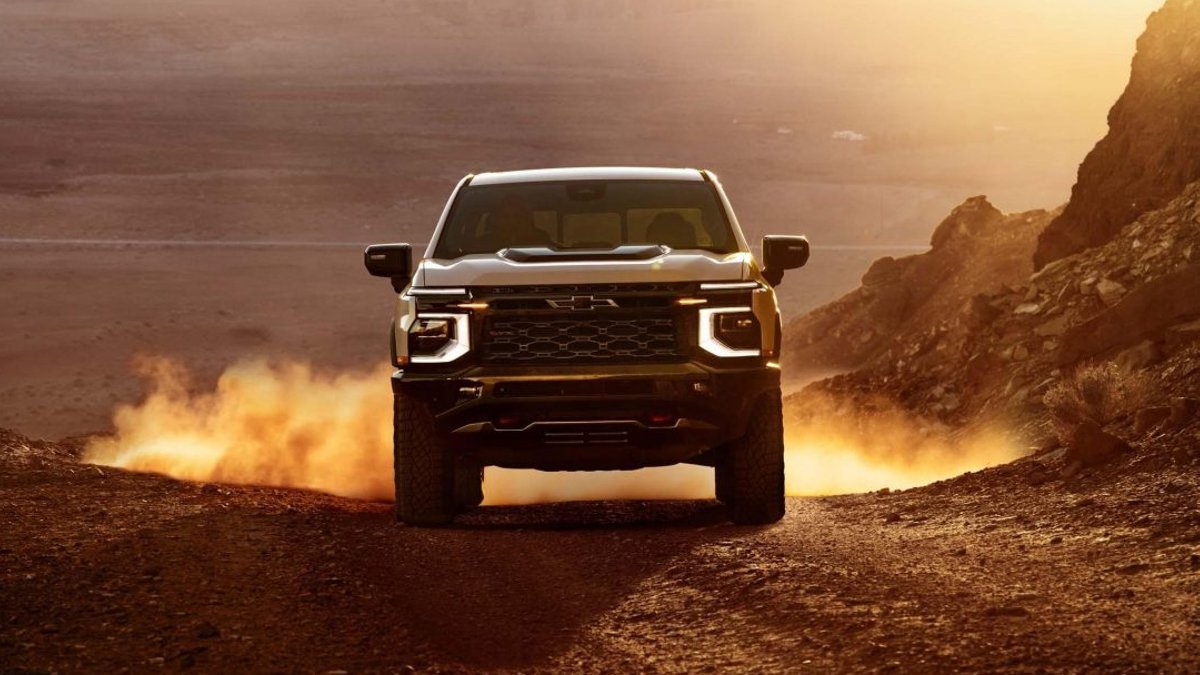
General Motors plans to reduce the number of times customers must visit dealerships for service by using a new central computer system. The automaker is not selling vehicles directly to consumers, but the way customers interact with service centers will change. Jaclyn McQuaid, Senior Vice President of Vehicle Products at GM, said that the goal is to cut the number of required trips.
The Heart of the New System
On Wednesday, GM outlined a future built around an AI reboot of OnStar, next-generation electric vehicles, and autonomous driving features. At the center of this plan is a new central compute system that will serve as the backbone of the company’s electrical architecture. This system will first appear in the 2028 Cadillac Escalade IQ, which will include eyes-off driving capabilities that allow occupants to watch movies while the vehicle drives itself.
McQuaid explained that the new system offers significantly enhanced opportunities for over-the-air upgrades. She noted that while not everything will be updateable remotely, the aim is to lower the number of trips customers must make to a dealer. “I can’t sit here and say that everything will be OTA-able, there may still be some, but the goal is twofold, the goal is to significantly reduce what would need a dealership visit versus what can be done OTA,” she said.
From a manufacturing standpoint, this shift is intended to simplify software development. By using a single central compute architecture across gas and electric vehicles, GM can validate one set of code instead of multiple versions. This approach should reduce the amount of engineering work required. If a software issue arises, one update can fix it for the entire fleet rather than requiring separate fixes for different subsets of vehicles.
McQuaid pointed out that the current lineup already supports some over-the-air updates, though the process is often limited. She demonstrated this by mentioning that she recently received a software update on a gas-powered truck in under 15 minutes. However, the upcoming central compute system will expand these capabilities. “Today we’ve got dozens of different modules, and some of them are OTA-able, some of them might not be, when you go to a central compute, you significantly expand what is capable of an OTA,” she said.
The new system consolidates dozens of modules into a single unit. This differs from zonal architectures, like the one used by Rivian, which rely on seven different electronic control units. McQuaid noted that while zonal systems have pros and cons, a single central computer can eliminate issues like latency and fragmentation.
GM is moving its software development in-house to support this change. The engineering team is writing all the code to ensure the various vehicle systems can communicate with each other and support over-the-air updates. This internal focus is intended to increase the speed of development and provide more room for future features. “It’s quite a large undertaking, but it allows us to move with faster speed, the connectivity is going to be faster, the headroom for growth of features is going to be significantly greater than what we have today,” McQuaid said.
Why the Architecture Matters
This new architecture also aims to streamline the validation process for vehicles. By using a single central computer, the company validates one set of code. This approach contrasts with the current method, which requires validating multiple versions of software for different vehicle subsets. The goal is to ensure that one update can fix issues across the entire fleet. This method reduces the engineering work needed to maintain the vehicles.
This shift represents a major change in how General Motors approaches vehicle software and service requirements. Regardless of what’s powering GM’s future vehicles, dealerships and shops will still be necessary, even if visiting them is less frequent. No software is going to change a tire or worn out shock absorber. Got a story? Send us a line at [email protected] The post GM’s Future Silverados Should Need Fewer Dealership Visits. One Computer Is the Key appeared first on The Drive.


