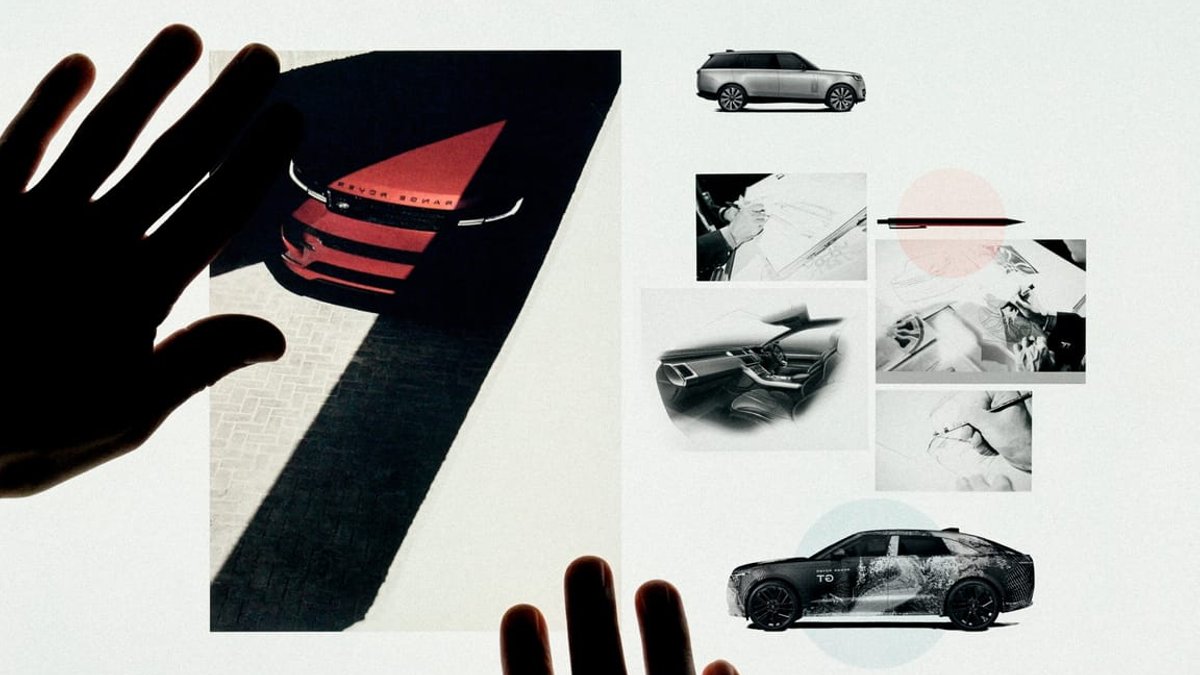
Range Rover’s design legacy is at a crossroads, with the departure of key designers Gerry McGovern and Massimo Frascella. The company has not appointed a new design chief, instead opting to enhance the authority of its existing design team.
The design team now reports to Chris Thorp, the chief corporate officer, who does not have a background in design. His career started as a reporter and road tester, and he later moved into corporate PR.
According to the company, the different design department heads have autonomy, but this will likely lead to a cohesive design vision being uncertain. The lack of a single design chief has raised concerns about the company’s commitment to design.
JLR has a history of superstar designers, including Ian Callum and Julian Thomson. However, none of the current designers have been asked to take on the top job. The company’s CEO, PB Balaji, has stated that the existing design team will continue to lead, but it is unclear if this will be enough to maintain the company’s design pre-eminence.
Related: Ford and Geely to produce SUVs in Europe
Chris Thorp’s role as chief corporate officer includes managing the company’s internal and external corporate reputation, government affairs, and motorsport. Balancing these responsibilities with leading the design team will be a challenge for him.
The Range Rover GT was designed by a team under McGovern and Frascella’s leadership. The car’s architecture is a battery-optimised, battery-first design, and it’s the lowest ever Range Rover. The design is still recognisable as a Range Rover, but future models’ design excellence is uncertain.
Range Rover MD Martin Limpert described the GT as a car-like Range Rover with all-terrain capabilities. Some have noted that the design bears similarities to the Jaguar I-Pace, albeit with modern electrics and Range Rover design and image.
Design and image have always been essential to Range Rover’s success. The company’s vehicles are known for their stunning design, and the current leadership structure may not maintain this level of design excellence.
Related: Porsche Fleet Business Sees Rapid Expansion
The removal of designers from the boardroom table and the lack of a single design chief have raised concerns about the company’s commitment to design. As the company moves forward, they will need to protect the pre-eminence of Range Rover.
Only time will tell if the company’s decision to enhance the authority of its existing design team will be enough to maintain its design legacy. The lack of a single design chief and Chris Thorp’s unclear role in leading the design team have raised more questions than answers.
The design of future Range Rovers will be closely watched. The company’s ability to maintain its design pre-eminence will depend on its ability to balance autonomy with cohesion and to prioritize design excellence.
One thing is certain: they will need to maintain their design excellence to stay competitive.


